
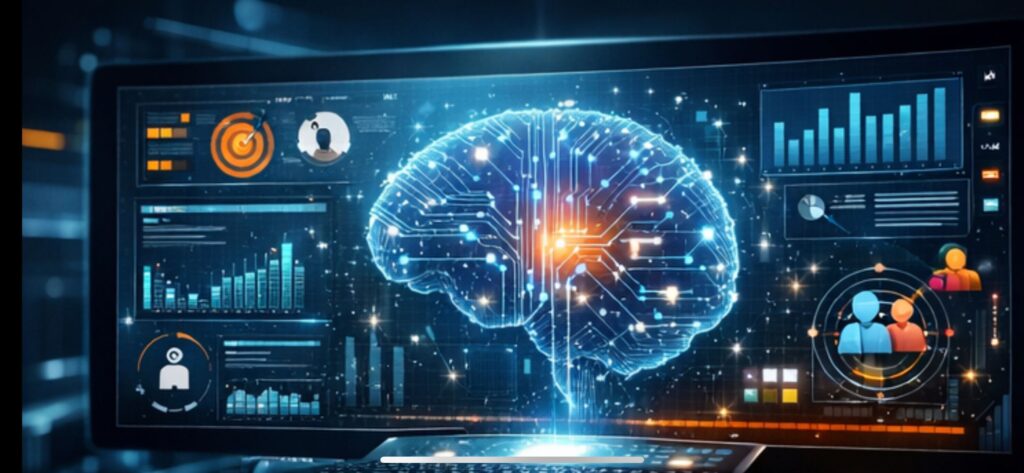
In today’s fast-paced digital world, businesses must adapt to ever-evolving technologies to stay
competitive. Artificial Intelligence (AI) has emerged as a powerful tool in digital marketing,
helping brands improve efficiency, personalize experiences, and make smarter data-driven
decisions. Integrating AI into your marketing strategy can transform how you connect with
customers, optimize campaigns, and boost ROI. In this article, we’ll explore practical ways to
integrate AI into digital marketing and why it’s essential for modern businesses.
1. Understanding the Role of AI in Digital Marketing
AI in digital marketing refers to the use of machine learning, predictive analytics, and
automation to optimize marketing efforts. From customer insights to personalized campaigns, AI
helps marketers deliver relevant experiences at scale. According to a report by Salesforce, 84%
of marketing organizations are already using AI in some form, highlighting its growing
significance.
Key Benefits of AI in Marketing:
• Enhanced customer personalization
• Improved campaign targeting
• Time and cost efficiency
• Predictive analytics for better decision-making
2. Leveraging AI for Customer Insights and Analytics
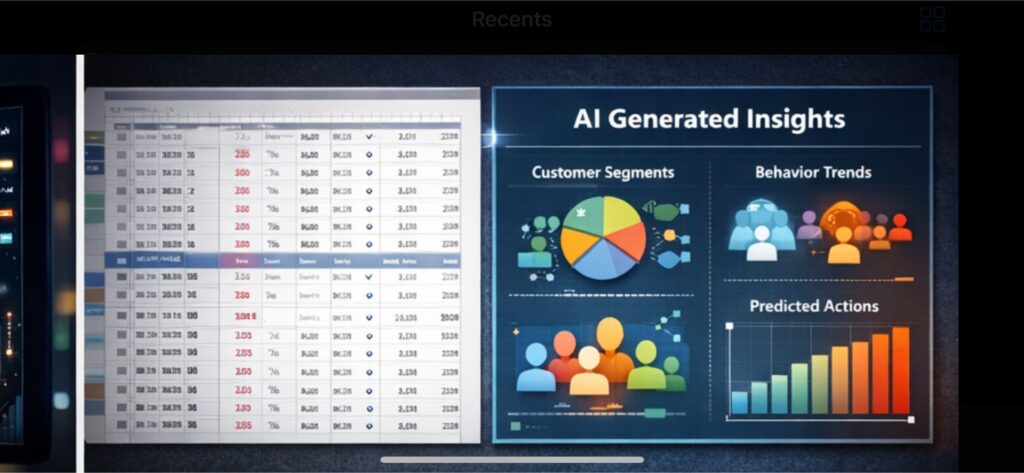
Understanding your audience is critical for marketing success. AI can analyze vast datasets to
uncover trends, behaviors, and preferences.
Applications:
• Predictive Analytics: Anticipate customer behavior and buying patterns.
• Customer Segmentation: Group users based on interests, demographics, and
engagement.
• Sentiment Analysis: Gauge public opinion about your brand on social media and review platforms.
Fact: Businesses that leverage AI-driven analytics are more than twice as likely to achieve topquartile marketing ROI (McKinsey & Company).
3. Personalization and Enhanced Customer Experience

Personalization is one of the strongest ways AI adds value to digital marketing. Tailoring content,
offers, and interactions increases engagement and conversions.
How AI Helps:
• Dynamic Content: AI adjusts website content and product recommendations based on
user behavior.
• Chatbots and Virtual Assistants: Offer 24/7 support, answer queries, and guide users
through the buyer journey.
• Email Personalization: AI predicts optimal send times and customizes content for each subscriber.
4. AI in Content Creation and Optimization
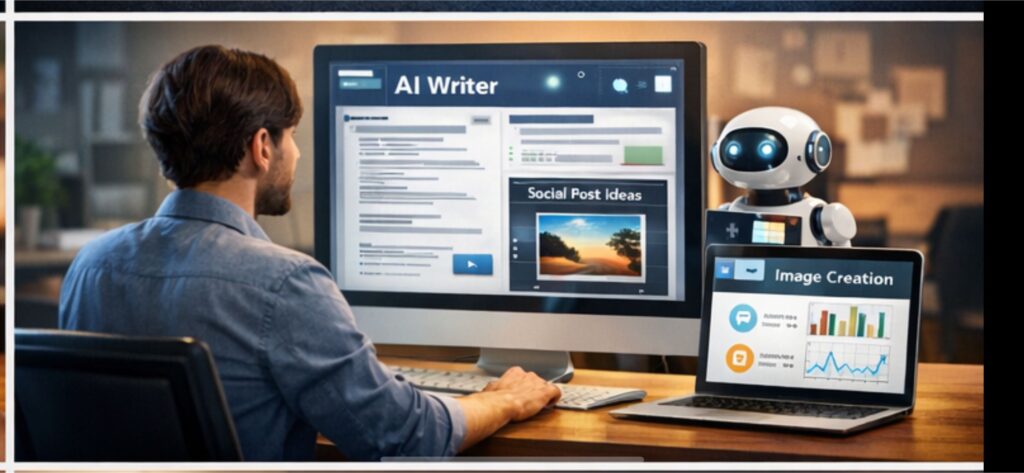
AI tools are revolutionizing how marketers create and optimize content. By analyzing trends and
performance data, AI ensures your content resonates with your target audience.
Applications:
• Automated copywriting for blogs, social media posts, and ads
• SEO optimization and keyword suggestions
• Video and image generation for marketing campaigns
Fact: HubSpot reports that AI-driven content optimization can increase website engagement by
up to 30%.
5. Smarter Advertising and Campaign Management
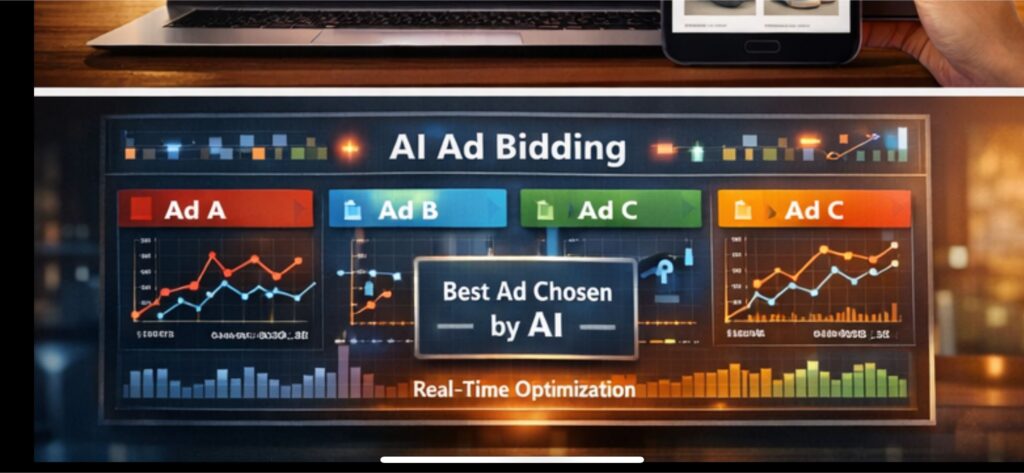
AI transforms advertising by making it more precise, efficient, and cost-effective.
Applications:
• Programmatic Advertising: AI automates bidding to deliver ads to the right audience in
real-time.
• Audience Targeting: AI identifies high-value prospects across channels.• A/B Testing: Automatically tests ad creatives, headlines, and CTAs to find top-performing
6. AI for SEO and Search Marketing
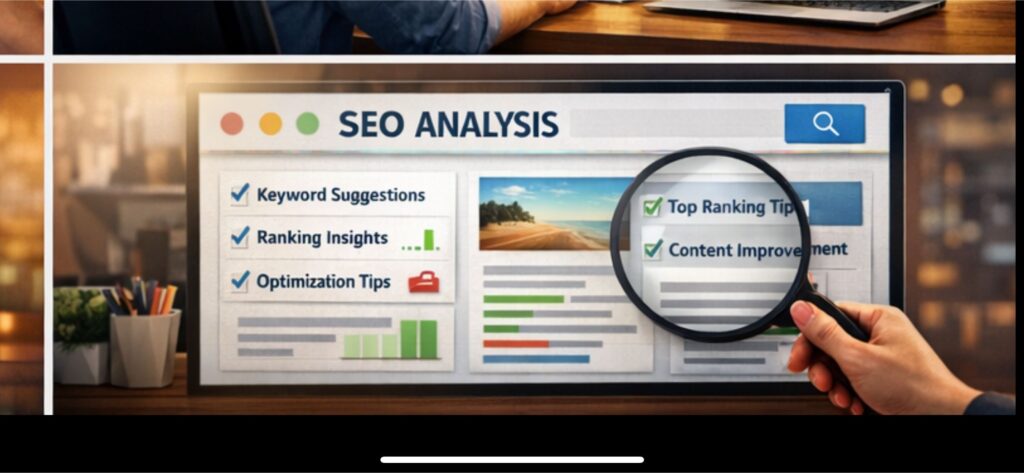
Search Engine Optimization (SEO) is a cornerstone of digital marketing. AI-powered tools can
streamline SEO efforts and boost search rankings.
Applications:
• Keyword research and trend analysis
• Content optimization for search engines and voice queries
• Predictive ranking insights to stay ahead of competitors
Fact: Websites that implement AI-driven SEO strategies experience up to 50% faster growth in organic traffic.
7. Social Media Marketing with AI
Social media marketing can benefit immensely from AI through automation and analytics.
Applications:
• Social listening to monitor brand mentions and trending topics
• Optimizing post timing and content format
• Identifying relevant influencers for campaigns
8. Implementing AI in Email and Marketing Automation
AI enhances email campaigns and marketing automation by making them more intelligent and
personalized.
Applications:
• Automated workflows based on user behavior
• Lead scoring to prioritize high-conversion prospects
• Personalized email content and subject lines for higher open rates
Conclusion
Integrating AI into digital marketing is no longer optional—it’s essential for businesses that want
to remain competitive. From personalized experiences and predictive analytics to smarter
advertising and SEO optimization, AI offers countless ways to improve efficiency and drive
results. By strategically implementing AI, marketers can save time, reduce costs, and deliver
highly relevant experiences that resonate with their audience.
Start small, experiment with AI tools, and gradually scale your implementation to see maximum impact.